About
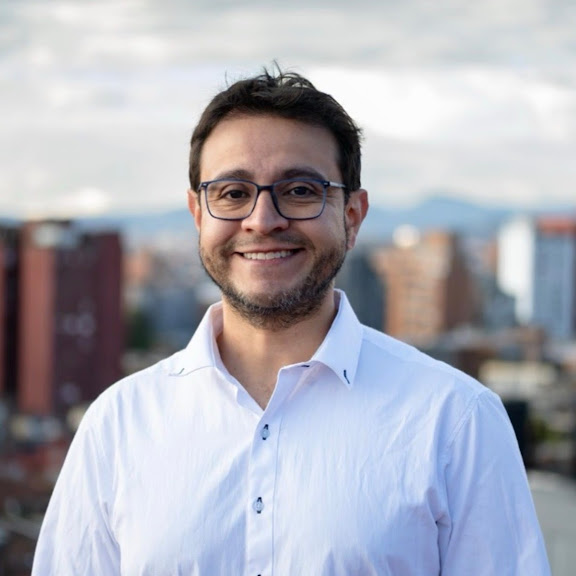
I'm a Colombian software engineer with 11+ years of professional experience, and entrepreneur working in Python, TypeScript and open source development. I currently work as an AI Engineer at Backblaze. Previously, I worked at Datalayer building tools at the intersection of Jupyter, AI, and collaborative computing, at Quansight contributing to the scientific Python ecosystem, and at Anaconda as Technical Lead for Anaconda Navigator. My career spans from water resources engineering (MSc from IHE Delft and Erasmus Mundus) to becoming a core contributor to major open source projects including Spyder IDE, JupyterLab, and napari, conda-forge among others. I've created over 400+ conda-forge recipes and led internationalization efforts for JupyterLab and automating efforts in the Scientific Python Translations project. I also co-founded Trepa, a climbing gym in Bogotá, Colombia, where I have developed tools to manage the business and community by automating workflows with AI. These include scraping workflows, chatbots, automatic review and messaging system, and Data Analysis, all to support the Business decissions. I'm deeply committed to the Latin American Python and open source communities. I co-founded PyCon Colombia, helped organize SciPy Latam, and serve on the Python Software Foundation Grants Working Group. I believe in making technology accessible across languages and borders, and I'm passionate about mentoring the next generation of developers in Latin America. I have been a hobby climber since 2021 and a musician, playing keyboards, guitar and choruses with a local band.
Want to know more?
Join PyCon Colombia newsletter and get a complete overview of our events, speakers and community participation.